Follow the aircraft beyond delivery
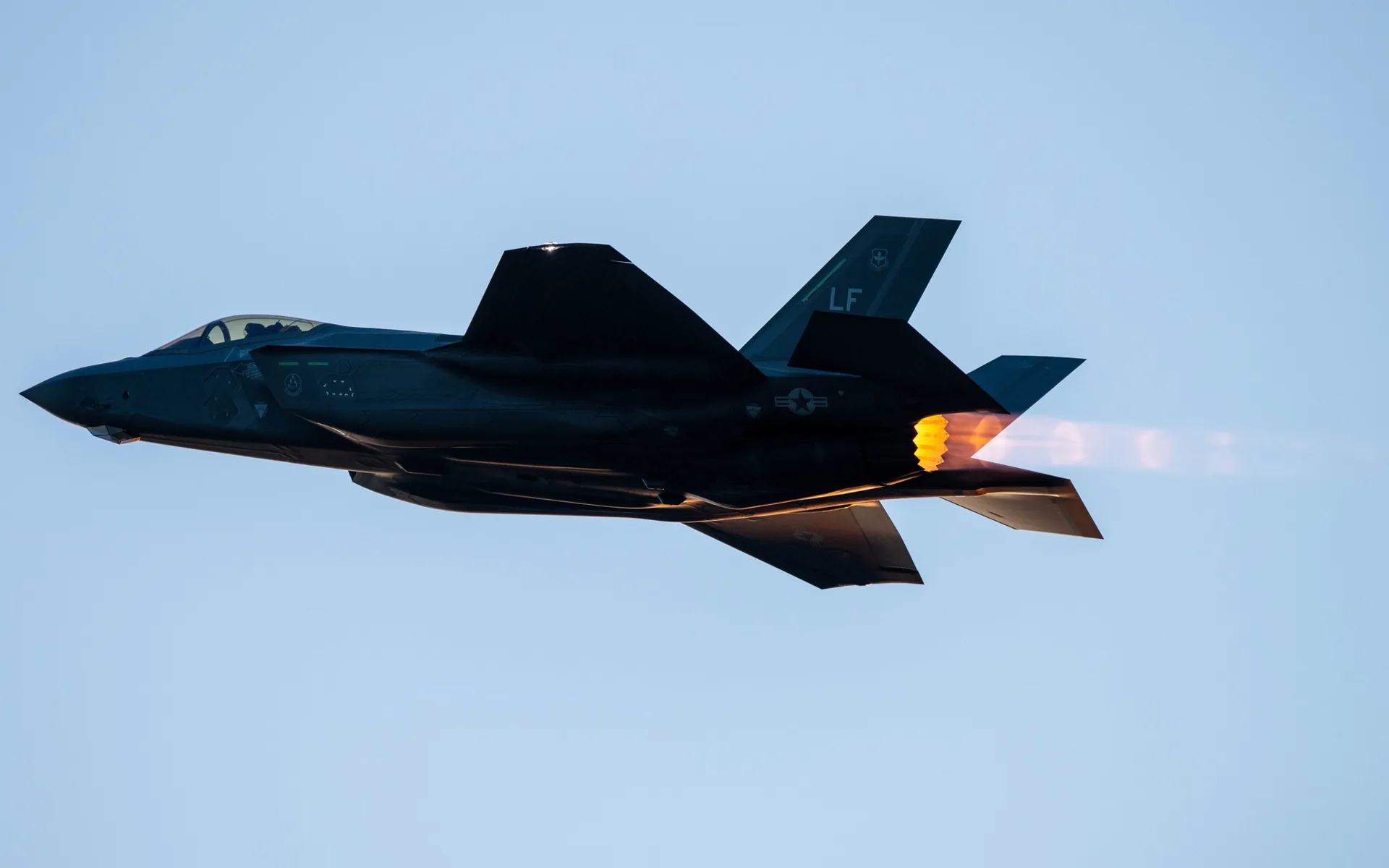
The F-35 makes a useful case study because an aircraft program contains several different industrial stories at once. There is the production of new aircraft, the integration of upgrades, and the work required to keep the fielded fleet usable. A photograph can show an airframe. It cannot establish the condition of every system that supports it.
Editorial analysis: treat delivery, modernization, and sustainment as related reporting tracks. An improvement in one does not, by itself, prove improvement in the others. An award for repair support is not an order for new aircraft. A production milestone is not a fleet-availability measurement. Being precise about the activity keeps both praise and criticism attached to the evidence.
Repair depends on an operating system around the jet
Historical source record: GAO's September 2023 sustainment review identified depot repair delays and organizational maintenance challenges, including technical data and training. It also examined the division of responsibility between government and contractor support. These are findings from that review, rather than assertions about today's readiness rate.
Editorial analysis: follow a component through its support chain. Who diagnoses the fault? Who has the technical instructions and equipment? Where can the part be repaired, and who coordinates its return? These questions reveal why a maintenance story can involve contracts, information rights, facilities, and skilled personnel alongside the aircraft itself.
For a reader assessing a proposed fix, the important distinction is between identifying a problem and establishing a working remedy. A plan to expand repair capability needs evidence of the specific capability delivered. Changing responsibility on paper also invites questions about the data, tools, and people accompanying that responsibility.
Production and modernization share dependencies
Historical source record: GAO's May 2024 production review reported that the program reached full-rate production in March 2024. The same review discussed late deliveries, manufacturing issues, parts shortages, and hardware and software delays associated with Technology Refresh 3 and Block 4 modernization. A formal milestone and execution challenges appeared in the same assessment.
Editorial analysis: read upgrades as integration work with dependencies. A new capability description should prompt questions about the hardware, software, testing, and aircraft configuration involved. Ask whether a statement describes a requirement, development activity, a demonstrated result, or a delivered configuration. These distinctions help prevent a development announcement from becoming an unsupported claim about the entire operational fleet.
Compare cost with the assumptions beneath it
Historical source record: GAO's April 2024 sustainment report compared increasing lifetime sustainment estimates with declining planned use and availability over the period it examined. It also explained that changes in affordability targets reflected, in part, reduced planned flying and a higher amount the Air Force considered affordable.
Editorial analysis: when comparing estimates, retain their dates, time horizons, fleet assumptions, and planned activity. A lower annual figure can answer a different question from a lower cost for the same output. For future coverage, watch repair turnaround, usable support capacity, clearly defined availability measures, and the assumptions attached to cost estimates. The central question is what support produces, and for which fleet, over what period.
Publication record
Web edition published: 2026-10-09. Research cutoff: 2026-10-09. Editorial review: Codex, delegated editorial review for The Primes Defense on 2026-10-09T20:38:40.112Z.
Reference and analysis are distinguished in the issue text. For a correction, identify the statement and the public source supporting the proposed change.